
Expert Historic Restoration in Chicagoland
Lime mortars, period techniques, preservation standards. We restore historic masonry to original condition. 39+ years of North Shore experience. Licensed, insured, ASTM-compliant. Free estimates.
What Is Historic Masonry Restoration?
Historic masonry restoration is the repair and preservation of pre-1940 brick, stone, and mortar using period-appropriate materials and techniques. The critical distinction from standard masonry repair is mortar type: historic buildings used lime-based mortar that is softer than modern Portland cement mortar. Using Portland cement mortar on historic masonry damages the original brick and stone by being harder than the units it bonds. Correct historic restoration uses natural hydraulic lime (NHL) mortar or lime putty to match original material properties.
Six Signs You Need Historic Restoration
Sign 1
Previous repairs used hard gray mortar (Portland) on old soft brick
Sign 2
Brick faces spalling adjacent to newer-looking mortar repairs
Sign 3
Mortar crumbling from joints on pre-1940 buildings
Sign 4
Stone elements (sills, lintels, caps) eroding or cracking
Sign 5
Landmark commission requiring historically appropriate repairs
Sign 6
Decorative masonry elements (corbels, arches) deteriorating
Need historic restoration? Call (847) 713-1648 or
Get Free EstimateWhat Happens When You Delay Historic Restoration
Historic masonry deteriorates faster when previous repairs used incorrect materials. Wrong mortar actively damages the surrounding original masonry, accelerating the problem.
Cost Escalation Timeline
| Timeline | Condition | Typical Cost |
|---|---|---|
| Year 0-2 | Continued mortar erosion, localized brick damage | $3,000-$8,000 |
| Year 2-4 | Portland repairs damaging adjacent historic brick | $8,000-$20,000 |
| Year 4-6 | Significant brick loss, structural concerns | $20,000-$50,000 |
| Year 6+ | Major restoration or landmark violation | $50,000-$150,000+ |
Featured Historic Restoration Projects
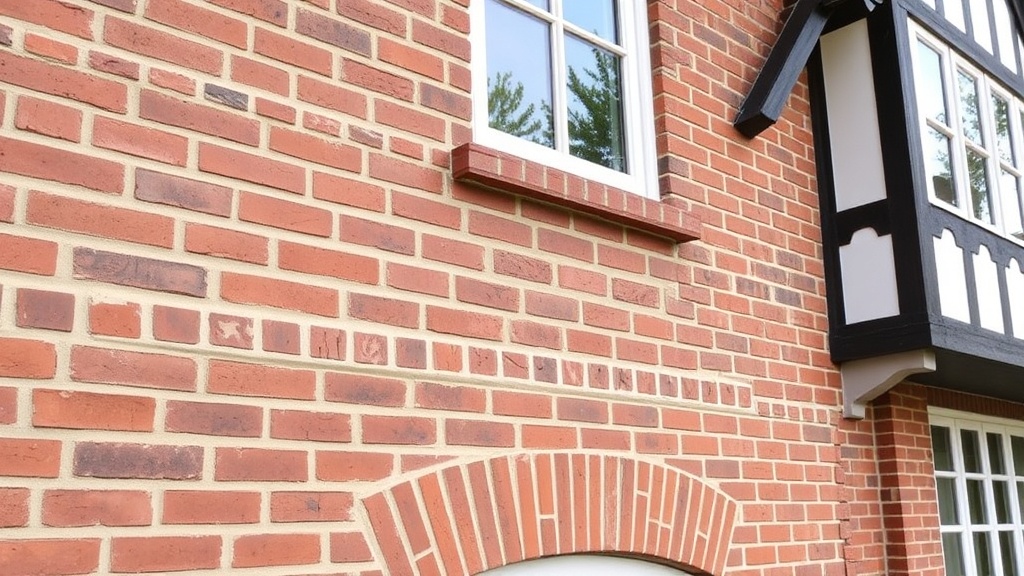
Our Historic Restoration Process
Historic Assessment
We identify original construction era, mortar type, brick/stone characteristics, and any previous repairs that used incorrect materials. We document with photos and mortar samples.
Mortar Analysis
Original mortar is analyzed for composition (lime, sand, aggregate, additives). We match the replacement mortar to original properties - not just color, but compressive strength and permeability.
Incorrect Repair Removal
Previous Portland cement repairs are carefully removed without damaging original masonry. This is the most labor-intensive step but essential for long-term success.
Lime Mortar Application
Natural hydraulic lime mortar is applied in thin layers with proper curing time between lifts. Lime mortar cures slowly (weeks, not days) and must be protected from rapid drying.
Stone Consolidation
Deteriorated stone elements are consolidated with appropriate consolidants or replaced with matching stone. Stone patching uses lime-based repair mortars tinted to match.
Documentation & Certification
Completion report with material specifications, before/after photos, and mortar analysis results. Documentation satisfies landmark commission and historic preservation requirements.
Ready to get started? Call (847) 713-1648 or
Request EstimateTechnical Standards & Mortar Types
Historic masonry demands specific mortar types that modern contractors often do not stock or understand. The compressive strength must be LOWER than the brick or stone it bonds.
| Mortar Type | Compressive Strength | Correct Use | Risk if Misused |
|---|---|---|---|
| NHL 2 | 200-350 PSI | Very soft historic brick, decorative elements | Slowest cure, most flexible. Required for the softest historic masonry. |
| NHL 3.5 | 350-600 PSI | Most pre-1940 residential and commercial brick | Most common for historic restoration. Good balance of workability and strength. |
| NHL 5 | 600-900 PSI | Harder historic brick, below-grade historic work | Strongest lime mortar. Still softer than Type N Portland. For harder pre-war brick only. |
All Delta work follows ASTM C270 Standard Specification for Mortar for Unit Masonry.
Historic Restoration Pricing
Historic restoration costs more than standard tuckpointing due to specialized materials (NHL lime mortar), longer cure times, and the labor intensity of removing previous incorrect repairs. The investment preserves the building and its value.
What Our Customers Say
"Our 1912 home had Portland cement repairs from 20 years ago that were destroying the original brick. Delta removed all the Portland, restored with lime mortar, and the brickwork looks original again. They understand historic masonry."
"Evanston landmark commission required historically appropriate restoration. Delta knew exactly what was needed, used proper lime mortar, and the work was approved without revisions."
"Our Tudor needed stone and brick restoration that matched the original 1925 craftsmanship. Delta delivered. Their knowledge of historic materials is rare."
Questions about historic restoration? We have answers. Call (847) 713-1648 or
Get Free EstimateHistoric Restoration Service Areas
We provide professional historic restoration services across Chicago's North Shore, Lake County, and northwest suburbs. 39+ years serving these communities.
Neighborhood Expertise
Every neighborhood on the North Shore has different brick, mortar, and construction eras. We know what your home is made of and how to repair it correctly.
Lake Forest Historic District
Evanston
Kenilworth
Glencoe & Winnetka
Historic Restoration FAQ
Common questions about historic restoration answered by our licensed masonry experts.