
Masonry Repair, Tuckpointing and Restoration Guides
Expert guides, tips, and project updates from 39+ years of masonry experience in Chicagoland.
Latest Articles
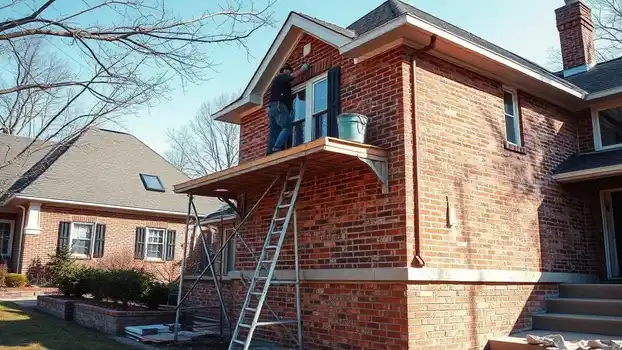
Masonry Repair on a Rental or Investment Property: What Chicagoland Owners Should Know
How Chicagoland landlords should prioritize masonry repair on rental and investment property: what to fix first, what to plan, what to monitor, and what it costs.
Read Article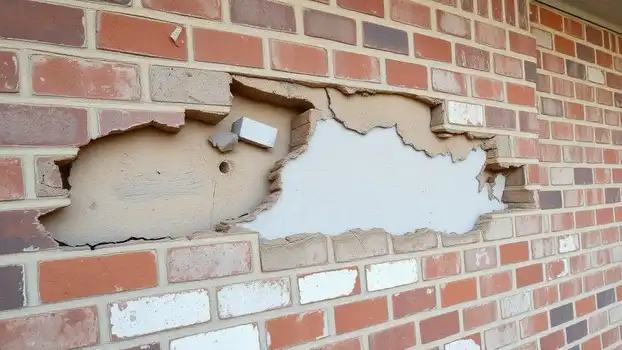
How to Fix Spalling Brick in North Shore Illinois
Learn how to fix spalling brick, when damaged brick can be repaired, and when replacement is necessary. See professional methods for Chicagoland homes.
Read Article
Cook House and Proctor Building: Two Libertyville Landmarks
Compare two Libertyville landmarks: the Cook House and Proctor Building, from a private home and library to a downtown hotel and commercial block.
Read Article
How the Railroad Shaped Downtown Libertyville
Rail service reached Libertyville around 1880–1881. See how it sparked new businesses, homes, population growth, and the downtown pattern visible today.
Read Article
Brick and Limestone Details in Downtown Libertyville
Explore the brick patterns, limestone details, arches and storefront masonry that shape Libertyville’s historic downtown around Milwaukee Avenue.
Read Article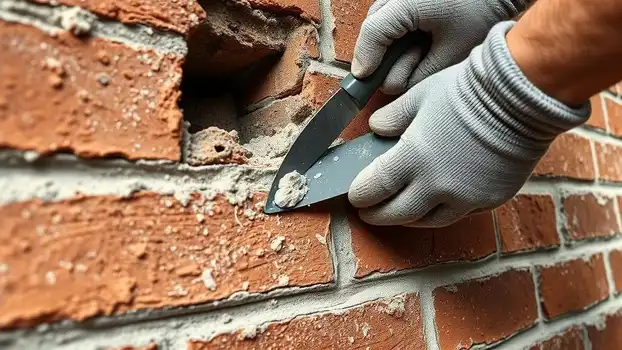
Tuckpointing vs. Repointing: What Is the Difference?
Tuckpointing vs. repointing: learn the technical difference, why the terms overlap in Chicagoland, and which mortar-joint repair your brick needs.
Read Article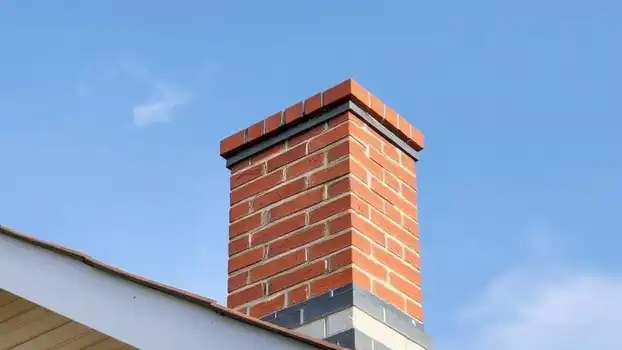
Chimney Crown Repair Masonry: Costs, Methods, and Warning Signs for Homeowners
Chimney crown repair masonry costs, methods, and warning signs — what Libertyville homeowners need to know before damage spreads to the flue and brickwork.
Read Article DIY vs. Professional Masonry Restoration: When to Grab a Trowel and When to Call a Pro
DIY vs. professional masonry restoration: know when to grab a trowel and when to call a pro to protect your home and avoid costly mistakes.
Read Article How to Prevent Brick Deterioration: Proven Strategies for Long-Lasting Masonry
How to prevent brick deterioration: key strategies covering sealants, drainage, mortar repointing, and inspections to protect your masonry for decades.
Read Article Brick Repair vs. Brick Replacement: Costs, Durability, and How to Decide
Brick repair vs. brick replacement: compare costs, durability, warning signs, and how to choose the right option for your home's condition and budget.
Read Article Masonry Repair: The Complete Homeowner Guide
Learn what causes masonry damage, warning signs to watch for, typical repair costs, and when brick, mortar, stone, or block needs professional attention.
Read Article Tuckpointing (Mortar Joint Restoration): What It Is, What It Costs, and When Your Masonry Needs It
Tuckpointing (mortar joint restoration) protects brick & stone from water damage. Costs, materials, ROI, and when to call a pro — all covered here.
Read Article How to Find a Qualified Masonry Contractor in North Chicago: Complete Homeowner's Guide (2026)
Use this North Chicago masonry contractor checklist to compare licensing, insurance, local experience, estimates, warranties, and warning signs before hiring.
Read Article Tuckpointing Cost in Chicago (2026): Complete Homeowner Pricing Guide
Explore 2026 Chicago tuckpointing costs by project type, typical price ranges, key pricing factors, possible extra costs, and when to schedule an inspection.
Read Article
Lake Forest Limestone Restoration: Estate-Grade Work
Lake Forest estates use Indiana limestone requiring matching material and correct consolidation sequence. Filip Pindral on the restoration approach.
Read Article
Chicago Greystone Restoration: Bedford Limestone
Chicago greystone facades use Bedford limestone over masonry backup. Delamination and joint failure need a different approach than standard brick repair.
Read Article
Prairie School Masonry Care in Chicagoland
Prairie School masonry care in Chicagoland: Roman brick, raked joints, and limestone require historic-grade repair in Evanston, Glencoe, and Winnetka.
Read Article
Tudor Revival Masonry Care on North Shore Estates
Tudor Revival combines clinker brick, limestone, and half-timber. Correct masonry care for Winnetka, Kenilworth, and Highland Park estates explained.
Read Article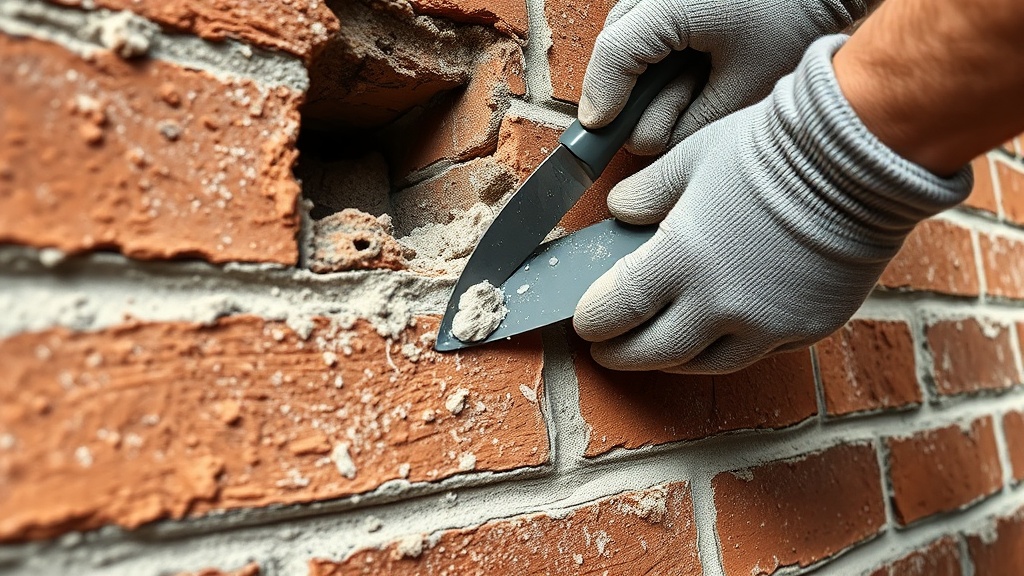
DIY Tuckpointing vs Professional: The Real Cost Gap
DIY tuckpointing looks straightforward. Wrong mortar type and shallow joints fail in 3 years and damage the brick underneath. Where the savings disappear.
Read Article
Brick Replacement vs Tuckpointing: Which You Need
Brick replacement and tuckpointing solve different problems. Tuckpointing restores joints. Replacement fixes brick faces. Here is how to tell which you need.
Read Article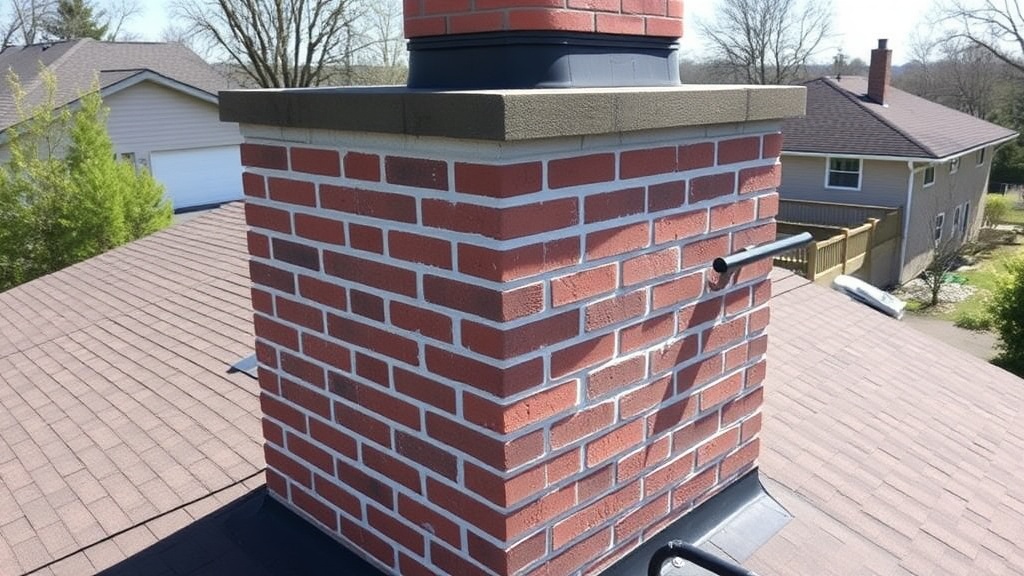
Chimney Tuckpointing Cost in Illinois 2026
Chimney tuckpointing in Illinois costs $800 to $2,500 for all four sides of a standard residential chimney. What drives the range and when costs climb. (847) 713-1648.
Read Article
Lime vs Portland Cement Mortar: Historic Home Standard
Portland cement on pre-1920 soft brick spalls the face. The specification standard for lime vs Portland cement mortar on Chicagoland historic homes.
Read Article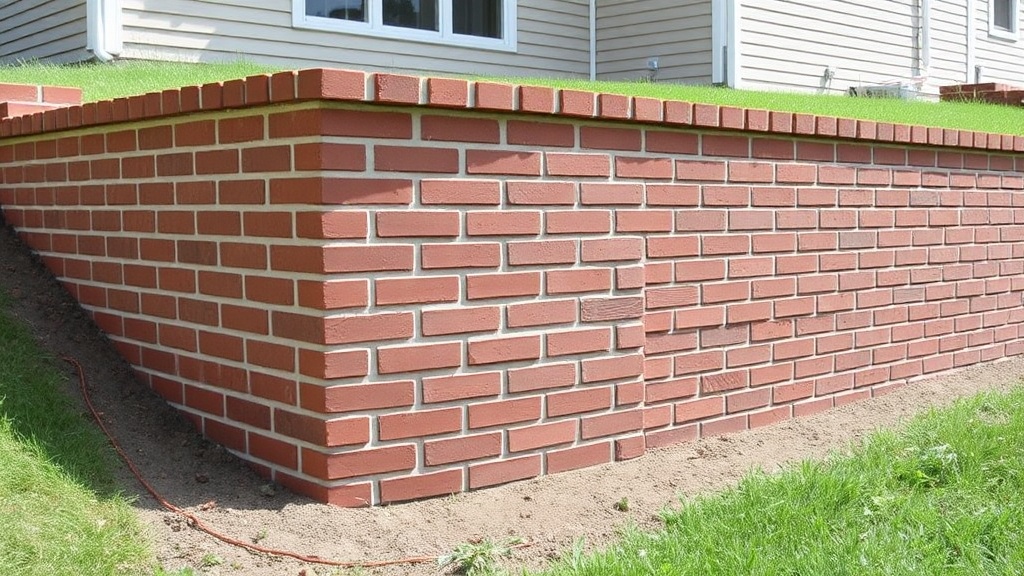
Brick Repair Cost in Chicagoland 2026: Real Numbers
Brick repair cost in Chicagoland 2026: $50-$150 per brick installed, $500-$2,000 for section repairs. Variables, estimate breakdown. Call (847) 713-1648.
Read Article
Type N vs Type S Mortar: Which Chicago Homes Need
Type N is 750 PSI. Type S is 1,800 PSI. Type O is 350 PSI per ASTM C270. Wrong mortar spalls brick irreversibly. Selection logic for Chicago-area homes.
Read Article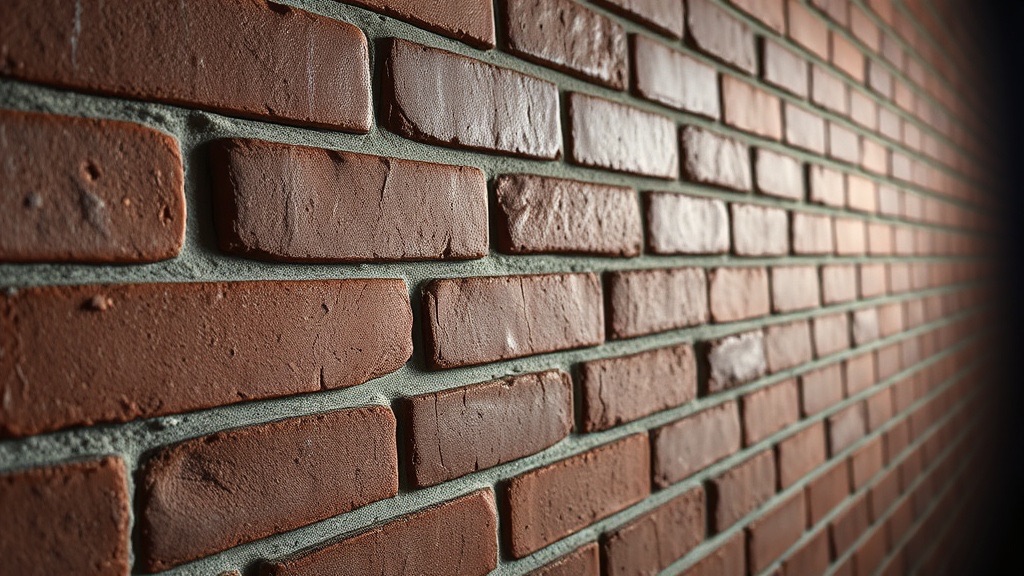
Tuckpointing Cost in Illinois 2026: $8 to $25/ft
Tuckpointing in Illinois runs $8 to $25 per linear foot. Four variables move that number. Get a written estimate that breaks down every line. Call (847) 713-1648.
Read Article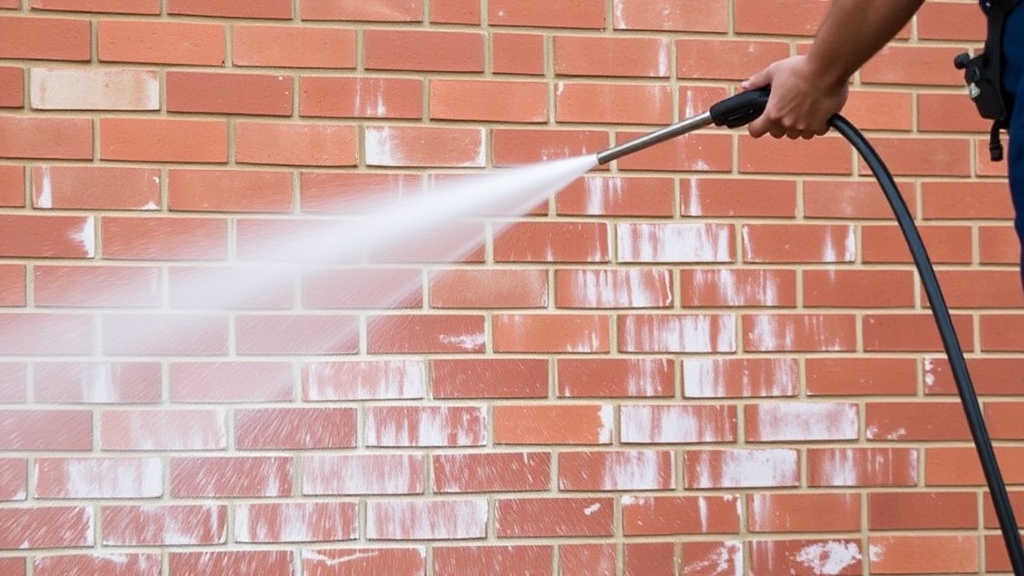
Graffiti Removal From Masonry Without Damage
Graffiti removal from brick without ghosting or damage. Poultice methods, pressure limits by brick type, and why sandblasting permanently destroys masonry.
Read Article Removing Paint From Brick: When It Helps and When It Hurts
Chemical stripping is the only safe method for painted brick. Sandblasting and pressure washing cause permanent damage. North Shore guide from Delta since 1987.
Read Article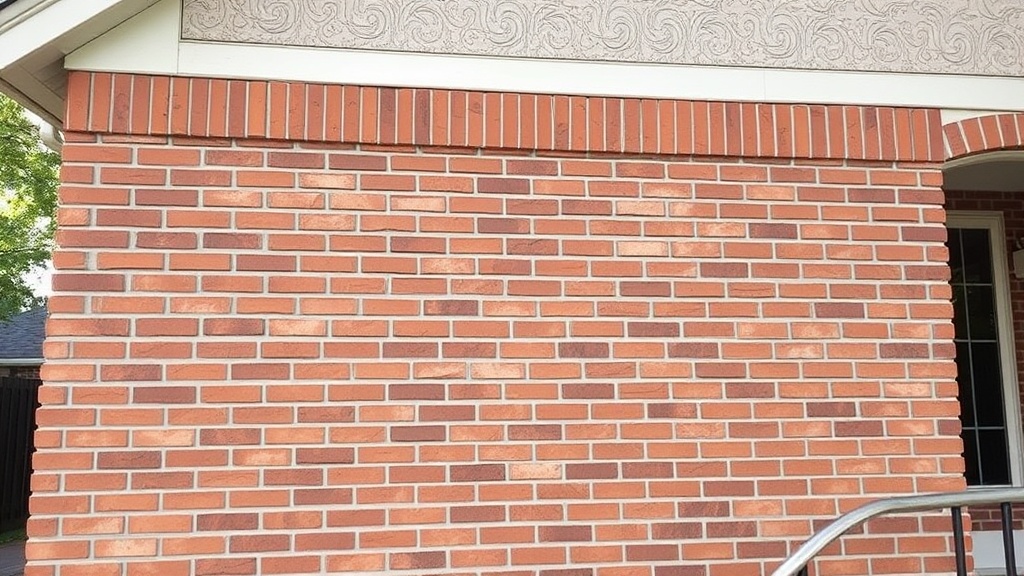
Chicago Bungalow Masonry Care: 1910-1935 Brick
Chicago bungalows from 1910 to 1935 use soft common brick that demands lime-rich mortar. Wrong mortar spalls the face. Filip explains the right approach.
Read Article
Efflorescence on Brick: White Staining Explained
White powder on your brick is efflorescence. It confirms water is moving through the masonry. What causes it, how to read the pattern, and what to repair.
Read Article
Georgian Colonial Brick Maintenance: North Shore Guide
Georgian Colonial brick demands period-correct mortar matching and joint profile preservation. Filip Pindral on Flemish bond and limestone repair.
Read Article
Spring Chimney Crown Damage: Post-Winter Check
Thin mortar-wash crowns crack within 3 to 7 years. A November hairline is a quarter-inch gap by March. Inspect now before the next rain season cycles water deeper.
Read Article
Spring Concrete Damage: De-Icer Salt Inspection Checklist
De-icer salt damages concrete through chemical attack and amplified freeze-thaw. Spring inspection checklist for northwest suburbs and Lake County.
Read Article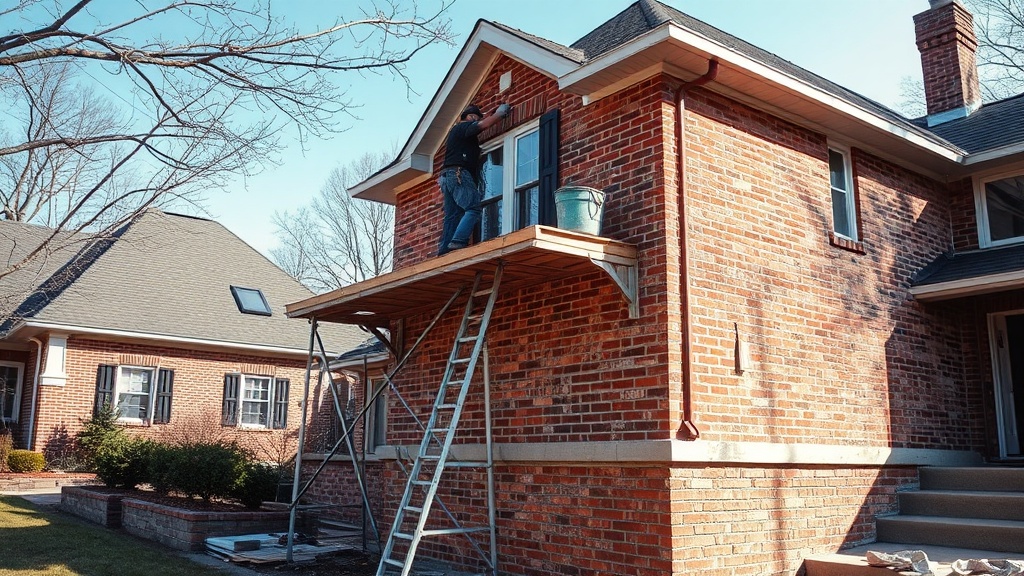
Spring Masonry Inspection Checklist: Illinois Homeowner Guide
Spring masonry inspection checklist for Illinois homes: chimney crown, mortar joints, efflorescence, lintels, and concrete. Work through this before any repair scheduling.
Read Article When to Schedule Tuckpointing in Illinois
Late spring through early fall is the right window for Illinois tuckpointing. Temperature and curing logic explained. Book early - April fills fast.
Read Article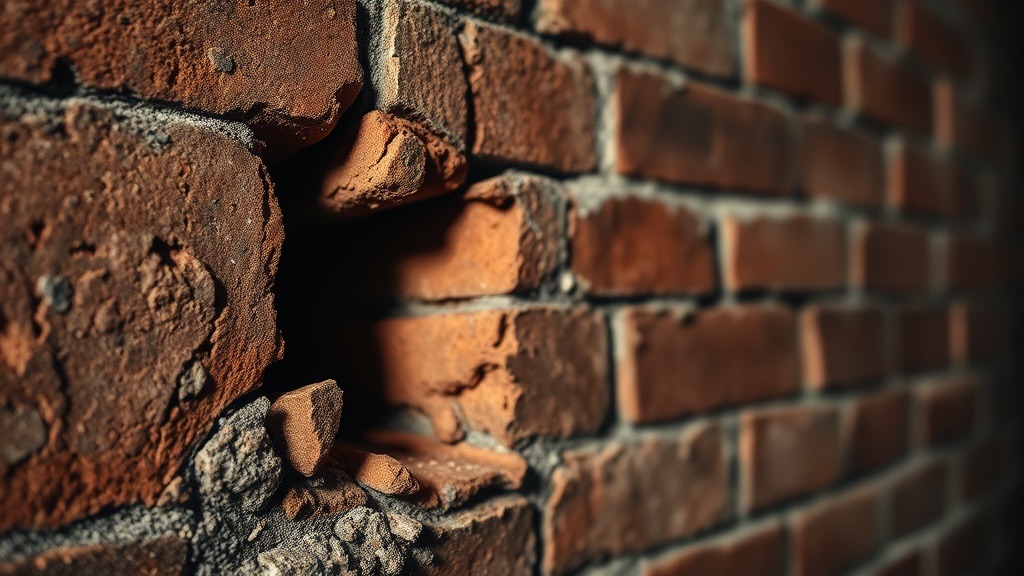
Why Brick Spalling Appears in Spring
Spring spalling is winter damage made visible. Water entered joints, froze, expanded, and weakened the brick face. Here is the seasonal mechanism.
Read Article
Multi-Unit Building Masonry: What Owners Should Know
Multi-unit building masonry: shared ownership dynamics, parapet vulnerabilities, capital reserve planning, and chimney maintenance for Chicagoland owners.
Read Article Chicago Facade Inspection Ordinance, Explained
Chicago facade inspection ordinance explained: which buildings it covers, what inspectors examine, and how masonry condition drives compliance.
Read Article Step and Stoop Masonry Repair in Chicagoland
Step stoop masonry repair: why steps separate, sink, and crumble, and how footings, mechanical ties, and rebuilding fix them for good.
Read Article Brick Paver Walkway Repair in Chicagoland
Brick paver walkway repair: frost heave, sub-base failure, joint sand washout. When spot repair works and when full relay is the only real fix.
Read Article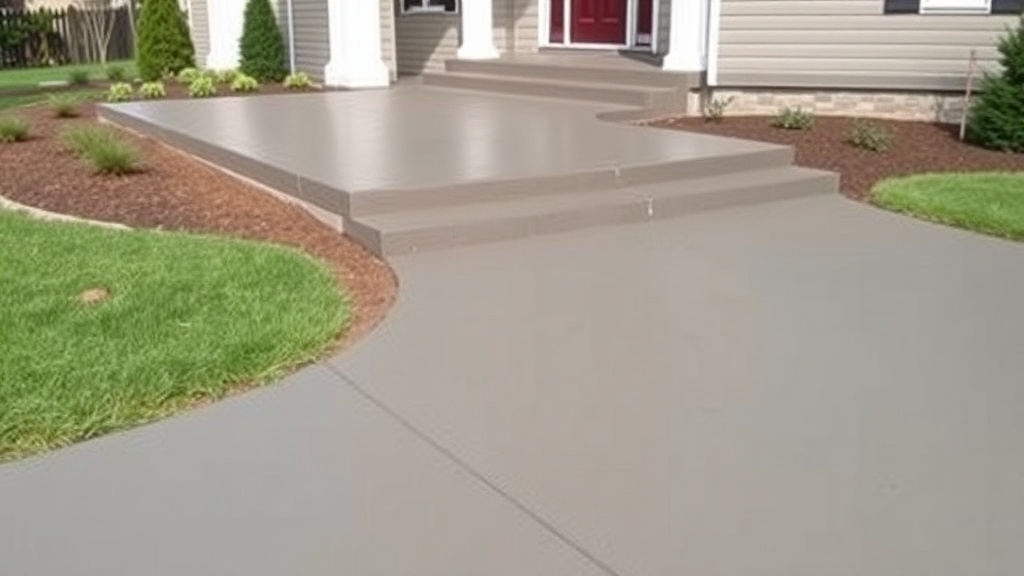
Concrete Crack Repair: Methods and Costs
Concrete crack repair in Chicagoland: hairline cracks get sealed, settlement cracks routed and filled, structural failures need replacement. Costs and methods explained.
Read Article Concrete Driveway Repair vs Replacement
Concrete driveway repair or replace in Chicagoland? Surface scaling can be sealed. Settled slabs with failed sub-bases need replacement. Call (847) 713-1648.
Read Article Silica Dust and Masonry Safety for Homeowners
Silica dust from mortar grinding causes silicosis. OSHA 29 CFR 1926.1153 sets the PEL at 50 ug/m3. Why DIY grinding is risky and what a safe crew does.
Read Article Scaffold vs Boom Lift: How Masons Reach the Work
Masonry scaffold vs boom lift: how crews choose between ladders, pump jacks, tube-and-clamp, and aerial lifts, and how access drives cost and job duration.
Read Article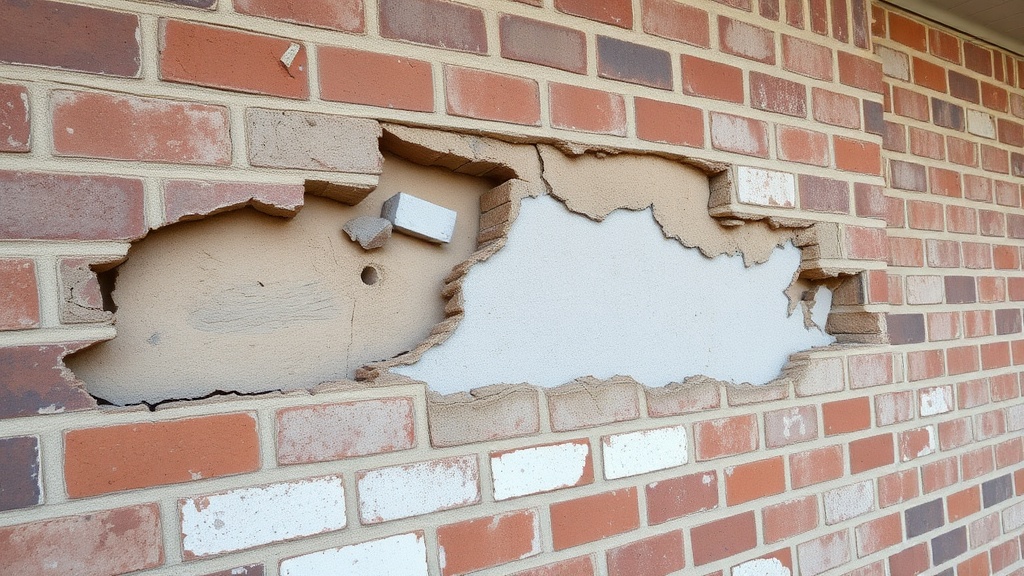
Spring Thaw: Reading the Damage Winter Left
Spring thaw masonry damage is readable: spalled brick, open joints, efflorescence, and crown cracks each point to a winter water path. Chicagoland guide.
Read Article Early Spring Masonry Inspection: The First Walk-Through
Early spring masonry inspection: the triage walk once snow clears reveals spalling, displaced brick, and crown cracks before April rain deepens damage.
Read Article 5 Signs Your Chimney Needs Immediate Repair
Learn the 5 warning signs that your chimney needs urgent professional attention before minor damage becomes a major structural problem.
Read Article Chimney Maintenance Checklist for Illinois Homeowners
Complete seasonal chimney maintenance checklist covering inspections, crown checks, flashing, mortar joints, and when to call a professional.
Read Article Commercial Masonry Maintenance: Protecting Your Business Investment
Learn about commercial facade inspections, city code compliance, preventive maintenance schedules, and the cost of deferred masonry maintenance.
Read Article
Historic Masonry Restoration: Preserving Chicagoland's Architectural Heritage
Learn why historic homes need specialized masonry care, lime mortar vs Portland, North Shore architecture, and preservation standards.
Read Article How to Choose the Right Masonry Contractor in Illinois
Learn how to verify licenses, check insurance, ask the right questions, spot red flags, and evaluate masonry contractor estimates in Illinois.
Read Article How Illinois Weather Destroys Brick: Understanding Freeze-Thaw Damage
Learn how Illinois freeze-thaw cycles damage brick and mortar, which warning signs to watch for, and how timely masonry repairs help prevent deterioration.
Read Article The Importance of Mortar Color Matching in Tuckpointing
Learn why mortar color matching matters in tuckpointing, how professionals match sand and pigments, and how mismatched repairs affect a brick home.
Read Article
Masonry vs. Concrete: Understanding the Difference for Your Home
Learn the difference between masonry and concrete, when to use each, cost comparisons, and durability in Chicago's climate.
Read Article Understanding Tuckpointing: A Complete Guide for Illinois Homeowners
Learn what tuckpointing is, why it matters in Illinois climate, mortar types, the 6-step process, cost ranges, and when to call a professional.
Read Article What Causes Brick Spalling and How to Prevent It
Discover the science behind brick spalling, how wrong mortar causes it, early signs to watch for, and prevention and repair options.
Read Article Masonry and Home Resale Value on Chicago's North Shore
Masonry condition affects curb appeal, buyer inspections, and negotiating position. How masonry resale value works on Chicagoland brick homes and what to fix before listing.
Read Article Masonry Inspection Before Buying a Home
A standard home inspection rarely covers masonry in depth. Here is what a dedicated masonry inspection before buying a home finds and how to use it.
Read Article Post-War Brick Homes 1945-1965: Masonry Guide
Post-war brick home masonry: 1945-1965 builder-grade mortar is now 60-80 years old. What Northbrook and Deerfield ranch and colonial owners need to know.
Read Article Mid-Century Ranch Brick Maintenance Guide
Mid-century ranch brick maintenance: builder-grade mortar now 40-60 years old. The chimney fails first. What Northbrook and Glenview owners need to know.
Read Article Basement Water Through Masonry: Causes and Fixes
Water entering through foundation walls - eroded mortar joints, cracked masonry, failed parging - with North Shore city examples. Call (847) 713-1648.
Read Article Brick Wall Pulling Away From the House
Brick wall pulling away from the house signals wall-tie failure or foundation movement. Signs, urgency levels, and repair options for Chicagoland homes.
Read Article Why Bricks Crack: The Five Most Common Causes
Why do bricks crack? Five causes - freeze-thaw, hard mortar on soft brick, settlement, lintel rust, and structural movement - and how to tell them apart.
Read Article Planning Spring Masonry Work: Why January Is Booking Time
Book spring masonry work in January. Chicagoland contractors fill April before March arrives. Inspect, estimate, and plan before the season opens.
Read Article Ice Dams and Masonry Damage on Chicagoland Homes
Ice dam masonry damage hits chimneys and parapet walls every winter. How meltwater enters brick and mortar, and what breaks before spring.
Read Article Freeze-Thaw in Action: What January Does to Brick
Freeze-thaw brick damage peaks in January in northern Illinois. What is happening inside your walls right now, and why the damage stays invisible until spring.
Read Article Solid Brick vs Brick Veneer: How to Tell
Solid brick and brick veneer fail differently and need different repairs. How to identify your construction type and what it means for masonry care.
Read Article Chicago Two-Flat and Three-Flat Masonry
Two-flat masonry carries more vertical load, shares chimneys, and suffers documented deferred maintenance. What owners need to watch and fix.
Read Article
American Foursquare Brick Maintenance
American foursquare brick homes built 1900-1930 have soft common brick and lime mortar that demands specific repair methods. Filip on the right approach.
Read Article
Limestone Sills, Lintels, and Coping Maintenance
Limestone sill repair on North Shore homes: why horizontal elements fail first, how delamination and spalling develop, and the correct repair methods.
Read Article
Stone Masonry Repair: Limestone, Granite, Fieldstone
Stone masonry repair: mortar must match the stone. NHL mortar for limestone, dutchman repairs, and why abrasive cleaning irreversibly harms historic stone.
Read Article After the Storm: Assessing Masonry Damage
Storm masonry damage: how to assess chimney, walls, lintels, and coping after a windstorm or hail event. Documentation for insurance. Call (847) 713-1648.
Read Article Emergency Masonry Repair: What Counts and What to Do
Emergency masonry repair: what qualifies, what can wait for spring, and the steps to take right now. Chicagoland North Shore. Call (847) 713-1648.
Read Article Holiday Fireplace Prep: Is Your Chimney Safe?
Chimney safety for the holidays: check creosote, crown, cap, flashing, mortar joints, and detectors before your first fire. A step-by-step homeowner guide from Delta since 1987.
Read Article Snow, Ice, and Salt: Winter Threats to Your Masonry
Three agents attack your masonry every winter: snow meltwater, ice in joints, and de-icing salt. Here is what each does and how to limit the damage.
Read Article Can Masonry Work Be Done in Winter?
Winter masonry work Chicago: tuckpointing waits for 40°F. Active water intrusion and leaning chimneys have winter options with real cost tradeoffs.
Read Article Victorian Masonry Care in Chicagoland
Victorian masonry demands lime mortar and salvage brick. Standard repair damages soft pre-1900 brick. What correct care requires on North Shore homes.
Read Article How to Read a Masonry Repair Estimate
A masonry repair estimate must name the mortar type, joint removal depth, and access method. Learn what to demand, what to skip, and how to compare bids in Chicagoland.
Read Article Retaining Wall Repair: Brick and Stone
Retaining wall repair: why walls lean from drainage failure, when to repair vs rebuild, and what the process involves. Serving Highland Park to Deerfield.
Read Article Parapet Wall Repair on Chicago Buildings
Parapet wall repair on Chicago two-flats and commercial buildings: why parapets fail faster, the four failure modes, and what restoration involves.
Read Article Salvage Brick: Why Old Brick Matters for Historic Repairs
Historic repairs require salvage brick. Modern brick is too hard and uniform to match pre-1940 Chicago common brick on North Shore and bungalow-belt homes.
Read Article Chicago Common Brick: The Brick That Built the City
Chicago common brick built most pre-1940 Chicagoland housing. It is soft, porous, and demands lime mortar. Portland cement mortar destroys it.
Read Article Why Your Chimney Leaks When It Rains
Chimney leaks when it rains trace to four masonry sources: failed flashing, cracked crown, deteriorated mortar joints, or a missing cap. Here is how to diagnose each.
Read Article Leaning Chimney: Causes and Structural Fixes
A leaning chimney is a structural emergency. Learn the four causes, how to assess severity, and when stabilization versus full rebuild is the right call.
Read Article Fireplace and Chimney Safety for the Heating Season
Fireplace chimney safety before lighting your first fire: what to inspect, what NFPA 211 requires, and what aging North Shore chimneys need this fall.
Read Article What Winter Does to Chicago Masonry
Winter masonry damage starts with water, 9% freeze expansion, and dozens of freeze-thaw cycles. The full mechanism for Chicagoland brick and mortar.
Read Article Does Homeowners Insurance Cover Masonry Repair?
Homeowners insurance covers sudden masonry damage from storms, not gradual wear. Learn what qualifies, how to document it, and what to do on Chicago's North Shore.
Read Article Brick Foundation Repair in Older Chicago Homes
Brick foundation repair in pre-war Chicago homes requires lime-based mortar. Portland cement repairs fail and damage original soft brick. (847) 713-1648
Read Article Mortar Joint Profiles: Concave, Struck, Raked, and Why
Mortar joint profiles affect water-shedding and must be matched when repointing. Concave, V-joint, raked, grapevine explained for North Shore homeowners.
Read Article Bowing or Bulging Brick Walls: Structural Warning Signs
A bowing brick wall is a structural warning, not a cosmetic issue. Learn causes, urgency levels, and when to call immediately. (847) 713-1648
Read Article Chimney Cap vs Chimney Crown: The Difference
Chimney cap vs chimney crown: understand what each part does, how each fails, and what repair costs in the Chicagoland market.
Read Article Chimney Flashing Leaks: Top Cause of Fireplace Water
Chimney flashing leaks cause most fireplace water damage. Learn to distinguish flashing failure from crown cracks and mortar joint leaks in Chicagoland.
Read Article How to Clean Brick Safely
How to clean brick safely: choose the right method for efflorescence, dirt, and organic growth. Wrong techniques destroy soft historic brick permanently.
Read Article Power Washing Brick: When It Helps and When It Destroys
Power washing brick at high PSI destroys soft historic brick and erodes mortar. The correct low-pressure approach and when not to power wash at all.
Read Article Last Call for Pre-Fall Masonry Repair Before Winter: 2026 Update
Pre-fall masonry repairs in the Chicago area: 2026 costs, scheduling timelines, and what to repair before winter. Request your free estimate online.
Read Article Winterizing Your Masonry Before the First Freeze
Winterize masonry before the first freeze: inspect joints, clear gutters, check chimney crowns, protect concrete from de-icer. Chicagoland checklist.
Read Article How Long Does Tuckpointing Last?
Tuckpointing done right lasts 20 to 30 years. Done wrong, it fails in 3 to 5 and damages the brick. Filip explains what determines lifespan.
Read Article Brick Types Explained: Common, Face, Pressed, Clinker
Chicago common, face, pressed, and clinker brick each demand a different mortar spec. Filip explains why the type determines every repair decision.
Read Article What Happens During a Tuckpointing Job
What happens during a tuckpointing job: mortar assessment, joint removal depth, silica dust safety, curing, and cleanup on Chicagoland homes.
Read Article Weep Holes: The Drainage System in Your Brick Wall
Weep holes drain water trapped behind brick veneer. Blocking them causes spalling, freeze-thaw damage, and interior water intrusion in Chicagoland homes.
Read Article Should You Seal Brick? The Waterproofing Myth
Film-forming brick sealers trap moisture and accelerate spalling. Filip explains why brick needs to breathe and what actually keeps water out.
Read Article Steel Lintel Repair Above Windows and Doors
Steel lintel repair: rust jacking lifts brick and cracks mortar on Chicagoland's 1910s-1930s homes. Signs to look for, repair options, and cost ranges.
Read Article Stair-Step Cracks in Brick: What They Mean
Stair-step cracks in brick signal settlement or frost heave. When they are cosmetic vs. structural - and what correct repair looks like.
Read Article How to Read Cracks in a Brick Wall
Cracks in a brick wall each point to a different cause. Read vertical, horizontal, stair-step, and lintel crack patterns to decide what your wall needs.
Read Article Why Fall Is the Last Good Window for Tuckpointing
Mortar curing requires 40-degree temperatures. That window closes in late October in northern Illinois. What waiting until spring actually costs you.
Read Article Fall Masonry Inspection Checklist for Illinois Homes
A structured pre-winter walk-through for Illinois homeowners. Catch chimney, mortar, lintel, and flashing damage before freeze-thaw compounds it over winter.
Read ArticleNeed Help With Your Masonry?
Free inspections and written estimates for all masonry and tuckpointing projects across Chicagoland.