Call Now Free Quote
(847) 713-1648 Get Free Estimate
Stone Masonry · Lake Forest, IL

New Owner Fieldstone Wall and Pillar Repair - 1958 Knollwood Estate

September 29, 2024 | Knollwood area, Lake Forest

Stone masonry in Lake Forest, IL covers fieldstone, limestone, and dressed-stone wall, walkway, and chimney work, with mortar selection and joint profile matched to the era and stone type to maintain both structural performance and historic appearance.

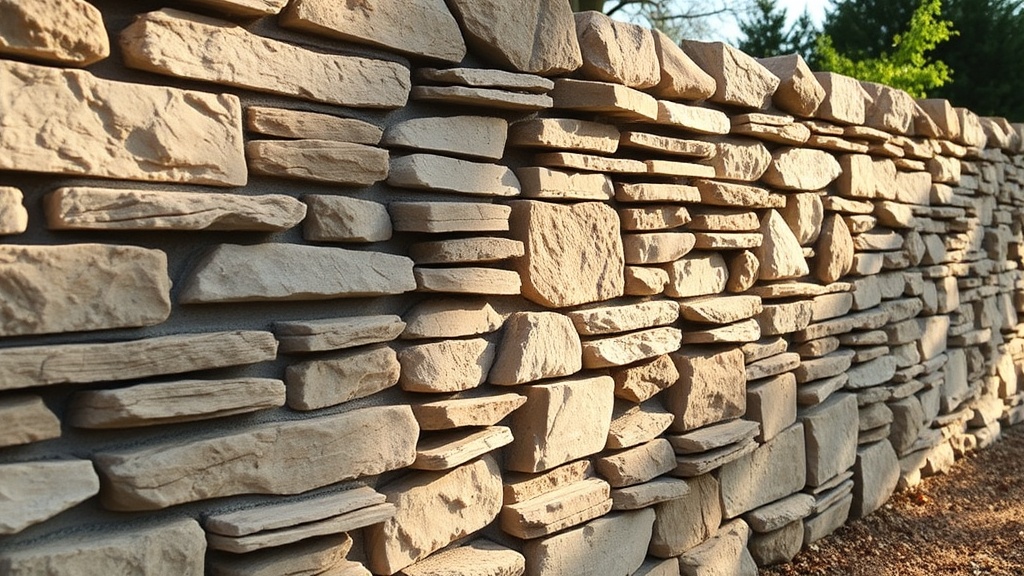
Before: Lake Forest 1958 fieldstone garden wall and entry pillars completed work by Delta Masonry Before
After: Lake Forest 1958 fieldstone garden wall and entry pillars completed work by Delta Masonry After
Service Stone Masonry
Scope Repointing of 160 linear feet of fieldstone garden wall. Structural repair of two entry pillars with displaced cap stones. Mortar joint repair at pillar-to-wall transitions. Drainage channel clearing at wall base. Inspection and documentation of wall structural condition for new owner records.
Mortar Type Type N lime-based
Duration 6 days
Building 1958 fieldstone garden wall and entry pillars
Neighborhood Knollwood
Common brick stock Premium custom masonry with limestone and sandstone accents
Weather exposure Moderate
County Lake County
From our shop 6 miles

The Problem

New owners of a 1958 property in Knollwood discovered during their first full winter that the fieldstone entry pillars flanking the driveway had visibly displaced cap stones, and that a 20-foot section of the garden wall along the north property line had open joints wide enough to admit a finger in multiple locations. The previous owners had not disclosed any masonry work in the past decade, and inspection confirmed none had been done. The garden wall showed mortar loss consistent with fifteen or more years of deferred maintenance, with the cap course on the north face nearly bare of mortar in two sections. Drainage channels at the wall base were blocked with compacted debris, directing water against the wall footing rather than away from it. The entry pillars were structurally sound and plumb, but the cap stones had each risen and tilted over multiple freeze-thaw seasons.

Our Solution

We began by clearing the drainage channels at the wall base along the full 160-foot run, then assessed the cap course condition before raking any joints. On fieldstone walls this age, the order matters: restoring drainage first prevents new water from undercutting fresh mortar during the cure period.

All open and recessed joints were raked to 3/4-inch depth by hand. Fieldstone walls require hand raking because the irregular stone faces make depth control with power tools unreliable, and cutting too deep on a face stone that projects slightly from the plane removes material from the stone itself. The mortar we used was Type N with a medium-gray aggregate selected to approximate the original 1958 joint color. We profiled with a raked finish set back approximately 3/8 inch from the stone faces, consistent with the original treatment visible in protected areas near the wall’s east end.

The two entry pillar cap stones were lifted, bed mortar fully removed, and pillar tops leveled. Each cap was reset in a fresh Type N bed with a 1/4-inch crown toward the center to drain outward. Joints at the pillar-to-wall transitions were cleaned and repointed to restore continuity at those intersections, which had been opening for years and allowing water direct access to the pillar cores.

The Result

The garden wall is repointed and draining correctly. The entry pillar cap stones are level and set in full mortar beds. The new owners have a written condition assessment and documentation of the repair scope for their property records. On a stone wall that will be looked at from the driveway every day, the joint color and profile matter. The Type N mortar weathered to a close match with the original joints within one full season.

Questions About This Project

What typically fails first on a 1950s fieldstone garden wall?

The mortar at the cap course and at the base of the wall fails before anything else. Cap course mortar is exposed to freeze-thaw on all faces simultaneously and has no protection from above. Base course mortar suffers from ground moisture and from debris accumulation that blocks the drainage channels, keeping water against the wall base through wet seasons.

Why do fieldstone pillar cap stones shift over time even when the pillars look straight?

Pillar cap stones are typically set in mortar beds rather than mechanically anchored. When the mortar in the cap bed weathers and opens, water enters, freezes, and lifts the cap incrementally each winter. After several cycles the cap is displaced visibly. The pillar itself may be perfectly plumb while the cap reads tilted because all the movement is in the cap bed alone.

Can the original stone and mortar color be matched on a 60-year-old fieldstone wall?

Approximately. Fieldstone walls of this era in Knollwood typically used a medium-gray mortar with a raked profile that kept the stone faces prominent. We can match the mortar tone closely, but weathered mortar and fresh mortar will read differently for the first full season until the new mortar weathers to a similar tone. The match improves each year.

Project Location

Loading map - 1 project in this area

Need Similar Work? Let's Fix It Right.

Free on-site inspection and written estimate, no obligation. Serving the North Shore and Chicagoland for over 39 years.

(847) 713-1648 Request Online Estimate