
Call Now Free Quote
(847) 713-1648 Get Free Estimate
Tuckpointing · Lake Bluff, IL

Routine Maintenance Escalation - 1926 Tudor Cottage

May 18, 2025 | Central Lake Bluff residential area

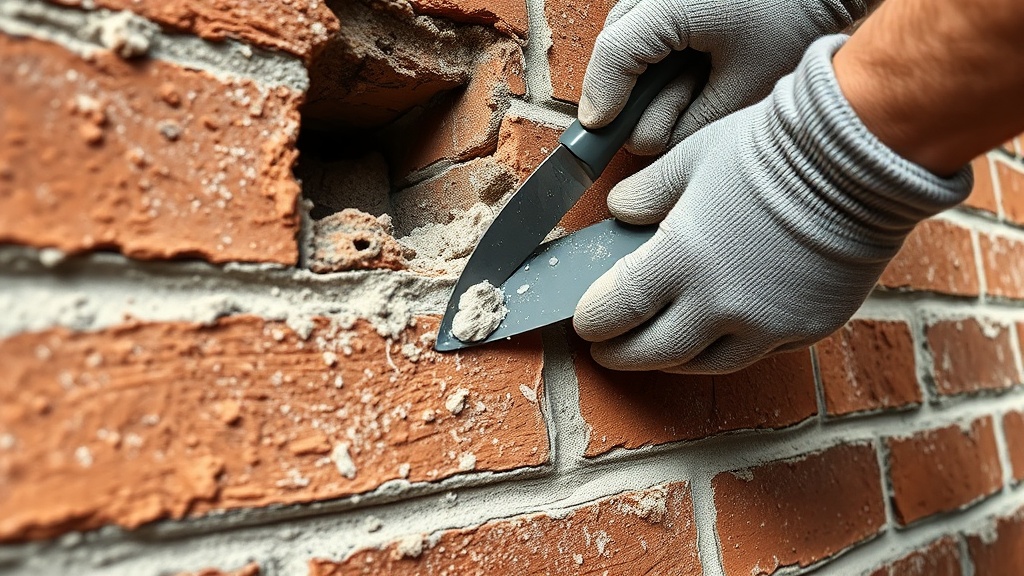
Tuckpointing in Lake Bluff, IL is the controlled removal of failing mortar to a 3/4 inch minimum depth and replacement with ASTM C270 Type N lime-blend mortar, restoring 25 to 50 years of weather resistance to 1926 Tudor cottage brick.

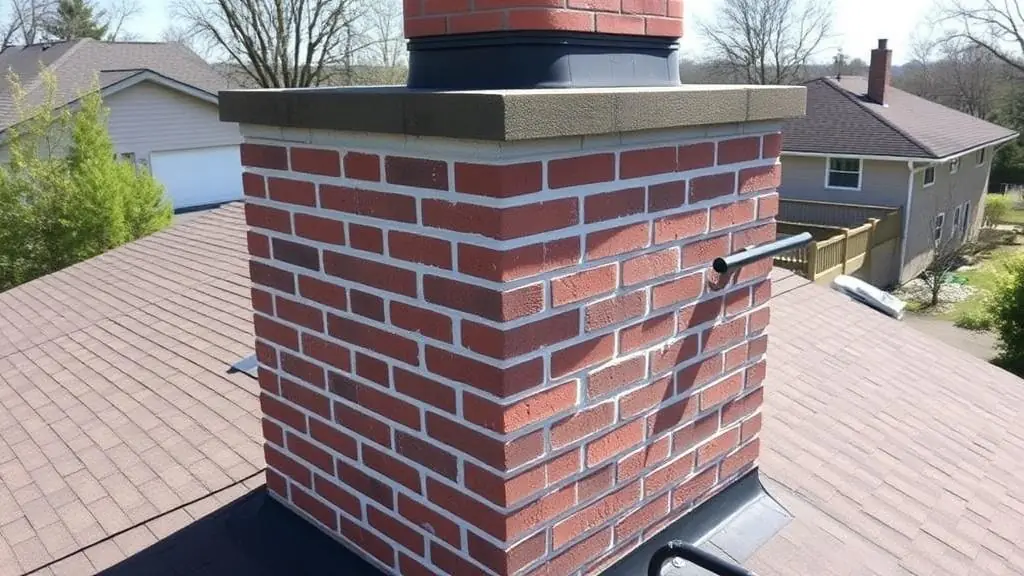
Before: Lake Bluff 1926 Tudor cottage completed work by Delta Masonry Before
After: Lake Bluff 1926 Tudor cottage completed work by Delta Masonry After
Service Tuckpointing
Scope Full tuckpointing of all four facades following escalation from routine inspection. 210 linear feet of joint raking and repointing. Repair of open joints at half-timbered panel boundaries. Sill-to-brick transition repointing at all first-floor windows. Mortar probe testing at 24 locations prior to scope finalization.
Mortar Type Type N lime-blend
Duration 8 days
Building 1926 Tudor cottage
Neighborhood Central Lake Bluff
Common brick stock Standard residential brick with some older soft brick
Weather exposure Moderate
County Lake County
From our shop 5 miles

The Problem

The homeowners of a 1926 Tudor cottage in Central Lake Bluff called us to assess some crumbling mortar they had noticed on the south facade. What looked from the street like isolated joint failures turned into something larger once we got on scaffold and ran probe tests. The south facade was in the condition the homeowners suspected: about 30 percent of the joints in the upper two-thirds were recessed 1/2 inch or more. The north and west facades were worse. Probe testing at 24 locations across all four elevations found that 68 percent of tested joints allowed the probe to penetrate 5/8 inch or deeper. On a 1926 cottage with original soft brick and a lime mortar system, that level of failure across three facades meant water was working behind the surface on most of the structure. Spot-patching would have covered the problem visually without solving it.

Our Solution

We presented the probe results to the homeowners with the data by facade and elevation so they could see exactly what the testing showed. They approved a full four-facade scope the same week.

All joints were raked to 3/4-inch minimum depth using hand grinders with diamond blades set to depth stops, and hand chisels at the half-timbered panel boundaries where power tools cannot reach the junction without risk to the stucco panels. The Tudor cottage half-timbered panels on this home are original 1926 stucco and the boundary joints between the timber elements, the brick, and the stucco are narrow and irregular.

The mortar was a Type N lime-blend specified for this project: a higher lime content than standard Type N to keep the finished mortar slightly softer than the original brick. We selected a warm buff-gray sand to match the protected joint color visible in the sheltered area beneath the rear entry overhang. All joints were packed in two lifts and finished with a concave profile consistent with 1920s cottage construction in this area.

At the half-timbered panel boundaries, we used a slightly enriched lime mix to allow more movement accommodation at those junctions. Those joints were finished flush rather than concave because the original detail at those locations was a flush-struck joint.

The Result

All 210 linear feet of joints across four facades are repointed and watertight. Joint color reads as consistent from facade to facade. The half-timbered panel boundaries are sealed at both the brick and stucco faces. What began as a routine inspection turned into a necessary full repair, and the homeowners now have documented proof of condition before and after, including the probe test data by location, for their maintenance records.

Questions About This Project

What is a mortar probe test and why does it matter before finalizing a scope?

A probe test involves inserting a thin wire probe into mortar joints to measure how far it penetrates before meeting solid resistance. Sound mortar stops the probe at or near the surface. Failed mortar allows the probe to enter 1/2 inch or deeper. We test at multiple locations across all four facades before writing a scope because visual inspection consistently underestimates the extent of joint failure on pre-war homes.

Why did a routine maintenance visit turn into a full facade repointing project?

The south facade looked marginal but manageable from the ground. Probe testing on the north and west facades, which are harder to inspect from grade, revealed joints failing at 5/8 inch or deeper across roughly 70 percent of the surface. Spot-repointing over that extent of failure creates visible patches and still leaves the underlying problem in place. A full facade approach was the only repair that would hold.

What is the joint detail at half-timbered panel boundaries on a Tudor cottage?

On 1920s Tudor cottages, the half-timbered stucco panels are separated from the surrounding brick by a mortar joint or a sealant joint. That boundary is a common failure point because the timber framing, brick, and stucco all move at different rates. The joint at that boundary needs to accommodate movement, which is why we use a slightly more flexible lime-blend rather than standard Type S at those specific locations.

Project Location

Loading map - 1 project in this area

Need Similar Work? Let's Fix It Right.

Free on-site inspection and written estimate, no obligation. Serving the North Shore and Chicagoland for over 39 years.

(847) 713-1648 Request Online Estimate