
Call Now Free Quote
(847) 713-1648 Get Free Estimate
Brick Repair - Norridge, IL

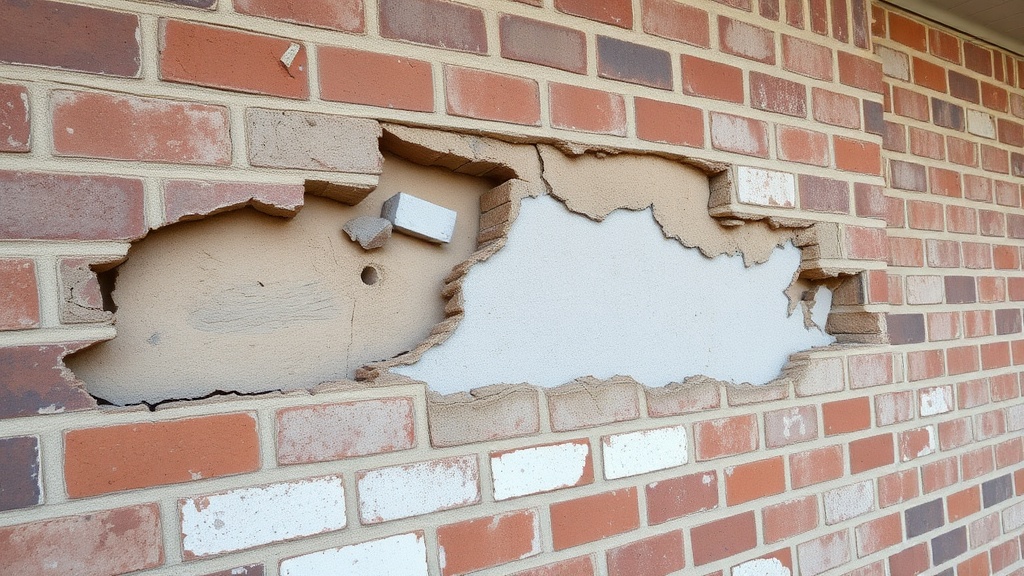
Brick Repair - 1961 Brick Ranch, Face Brick Spalling

August 11, 2025 | near Harlem Avenue

Before: Brick Repair - 1961 Brick Ranch, Face Brick Spalling Before
After: Brick Repair - 1961 Brick Ranch, Face Brick Spalling After
Location Norridge, IL
Service Brick Repair
Scope 24 face bricks replaced, adjacent joints repointed with Type N
Mortar Type Type N
Duration 3 days
Building 1961 brick ranch with face brick spalling

The Problem

The homeowner of a 1961 brick ranch in East Norridge noticed brick face material on the ground along the south wall after a hard winter. On inspection, 24 bricks on the south and west elevations had lost significant face material - some completely, exposing the rough interior core. The spalling was concentrated in two horizontal bands, suggesting a pattern rather than random damage.

The pattern matched the location of a repointing job done several years earlier. The previous contractor had used Type S mortar - a high Portland content mix - on what is relatively soft 1961 face brick. Type S compressive strength runs approximately 1,800 PSI; the original brick was designed to work with Type N mortar at around 750 PSI. The harder mortar trapped moisture in the brick body rather than allowing vapor to move out through the joints, and three winters of freeze-thaw cycles fractured the brick faces along the softer inner grain.

Our Solution

We removed all 24 spalled bricks by grinding the mortar bed on each side and lifting the brick cleanly from its seat. Brick that had partially spalled but retained structural integrity in the body was assessed individually - six bricks in borderline condition were also removed to prevent further face loss.

Replacement brick was sourced from a salvage supplier with period inventory from early 1960s suburban construction. The original brick is a light red with a lightly textured face, which is common to that era. After testing three candidates, we selected salvage brick with the closest color and texture match and verified nominal dimensions against the existing coursing.

All replacement bricks were set in Type N mortar. The eight joints immediately surrounding each replaced brick were removed to a depth of 3/4 inch and repointed with Type N as well - any remaining hard mortar adjacent to the new bricks would continue the same moisture-trap mechanism.

The Result

The 24 replaced bricks are seated correctly and the surrounding joints are repointed with the right mortar type. The south and west elevations no longer have open face spalls exposing the brick interior to moisture.

The salvage brick has aged to a close match with the existing wall. The mortar color was matched using sand aggregate sampled from a protected joint on the garage rear wall, which had not been previously repointed.
Related: Brick Repair Services | Norridge Service Area

Questions About This Project

What is face brick spalling and what causes it on postwar ranch homes?

Face brick spalling is when the outer face layer of a brick fractures and separates from the body, leaving the soft interior exposed. On postwar brick ranches from the late 1950s and 1960s, spalling typically results from one of two causes: moisture trapped by an overly hard mortar, or freeze-thaw damage to brick that absorbed water through open joints left too long without maintenance. The face of the brick is the hardest part - once it separates, the remaining brick deteriorates quickly.

How do you match face brick from a 1961 ranch when the original manufacturer may no longer exist?

Most brick from the late 1950s and 1960s in the Chicago suburbs came from a handful of regional producers - many are gone, but salvage yards carry significant inventory from that era. We match by color range, surface texture, and nominal size. Early 1960s face brick in this area was commonly a modular size (2-5/8 inch nominal height) with a smooth to lightly sanded face finish. We test sample bricks against the existing wall in natural light and check dimensional tolerances before purchasing.

After replacing spalled bricks, do the surrounding joints also need repointing?

Yes, always. When a brick spalls, water has typically been working through the surrounding mortar joints for some time before the face separates. Those joints are usually soft, recessed, or compromised. Replacing the brick and leaving deteriorated surrounding mortar means water will reach the back of the new brick through the same path that caused the original damage. We repoint all joints within two to three courses of any replaced brick as standard practice.

Project Location

Loading map - 1 project in this area

Need Similar Work? Let's Fix It Right.

Free on-site inspection and written estimate - no obligation. Serving the North Shore and Chicagoland for over 39 years.

(847) 713-1648 Request Online Estimate