The Problem
A real estate agent who had sold several North Shore estates referred this 1915 Indiana limestone home in East Kenilworth to us ahead of listing. The sellers wanted the facade in documented, repaired condition before the home went to market. The agent’s experience was that listing a Sheridan Road estate with visible masonry deterioration created buyer uncertainty that suppressed offers, and that a professional repair with documentation consistently reduced that friction.
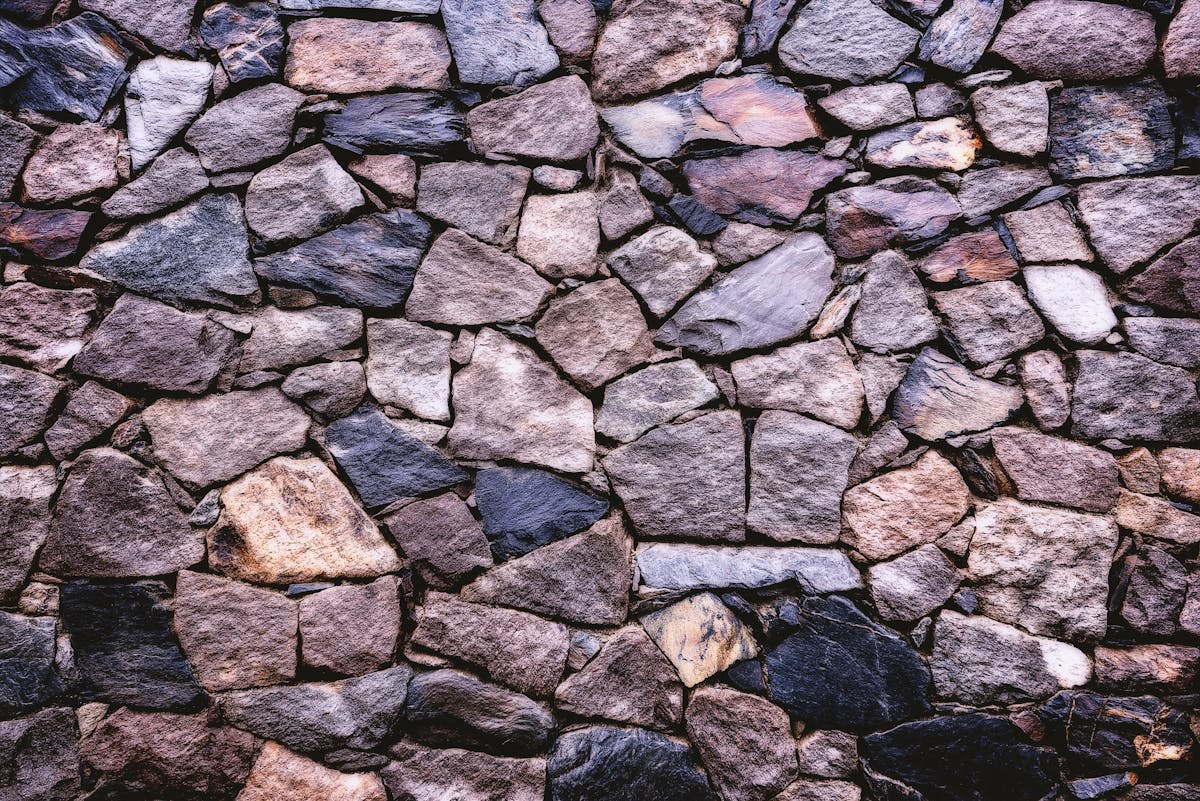
Indiana limestone facade construction on East Kenilworth estates from this period is architecturally distinctive. The stone was quarried from southern Indiana beds and was widely used on North Shore estate homes between roughly 1905 and 1930. It is a sedimentary material with relatively low compressive strength - softer and more permeable than granite or hard limestone - and requires a mortar formulation that does not over-constrain it.
On this home, the front and north elevations showed mortar recession averaging 3/4 inch with several locations reaching 1 inch. Biological growth - primarily lichen and moss - had colonized the recessed joint faces and portions of the adjacent stone surface on the north elevation, where shade and moisture from a mature oak canopy kept the wall damp. A string course at the second floor line on the front elevation had partially delaminated - the outer face of one 8-inch limestone unit had separated approximately 1/4 inch from the unit body.
Our Solution
We began with biological cleaning on the north elevation, applying a masonry-appropriate biocide in two treatments separated by 48 hours, then soft-brushing and rinsing the stone faces. This cleared the surface growth and revealed the true stone condition underneath: no structural damage to the stone units beyond the delamination at the string course.
The delaminated string course unit was stabilized before joint work began. We injected NHL 2 lime mortar grout into the separation gap using a low-pressure injection syringe, working the grout in from two injection points on the unit face. Temporary stainless steel pins with adhesive backing held the delaminated face section in contact with the grout during the initial cure period. After 72 hours we removed the temporary pins. The delaminated section is now fully bonded and stable.
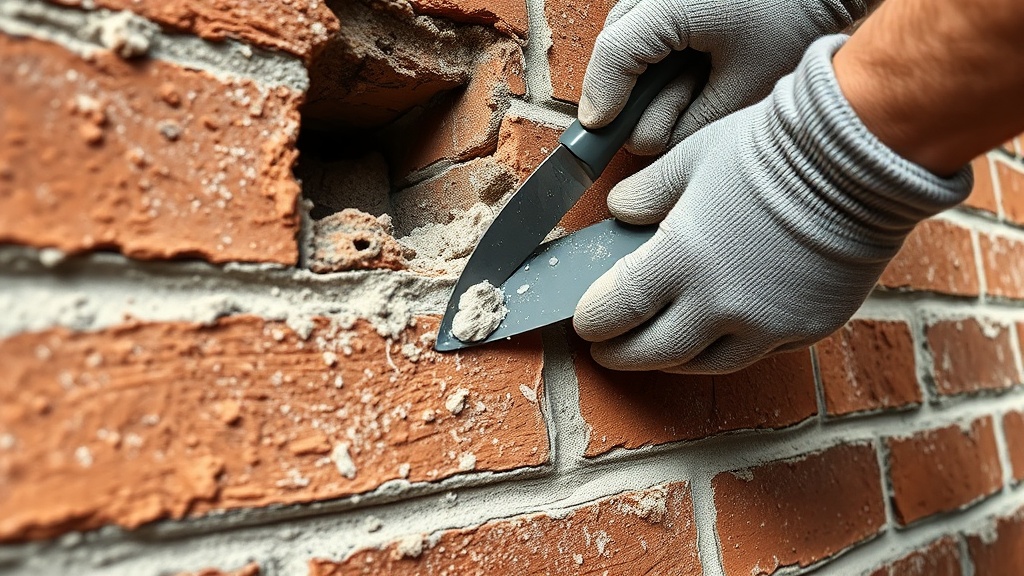
For the 310 linear feet of joint work on the front and north elevations, we removed all recessed mortar using hand chisels exclusively. The Indiana limestone face units on this home have carved details at the string course and window surrounds where mechanical grinding would have caused irreversible damage to the stone profiles. All chiseling was done with carbide-tip tools at angles that undercut the joint rather than driving pressure toward the stone face.
NHL 2 was mixed to a soft, workable consistency and packed in two lifts per joint. The finish lift was tooled to a slightly recessed flat profile matching the original joint configuration visible on the sheltered south elevation, which had retained original mortar in most locations.
The Result
At the end of two weeks, both the front and north elevations were cleaned, stabilized, and repointed. The string course delamination is no longer visible from street level. Biological growth on the north elevation was eliminated.
We provided the sellers and their agent with a complete written record of the work, including the NHL 2 specification, the consolidation method used on the string course, and before-and-after photography. The home listed and sold within 60 days of our work completing.