The Problem
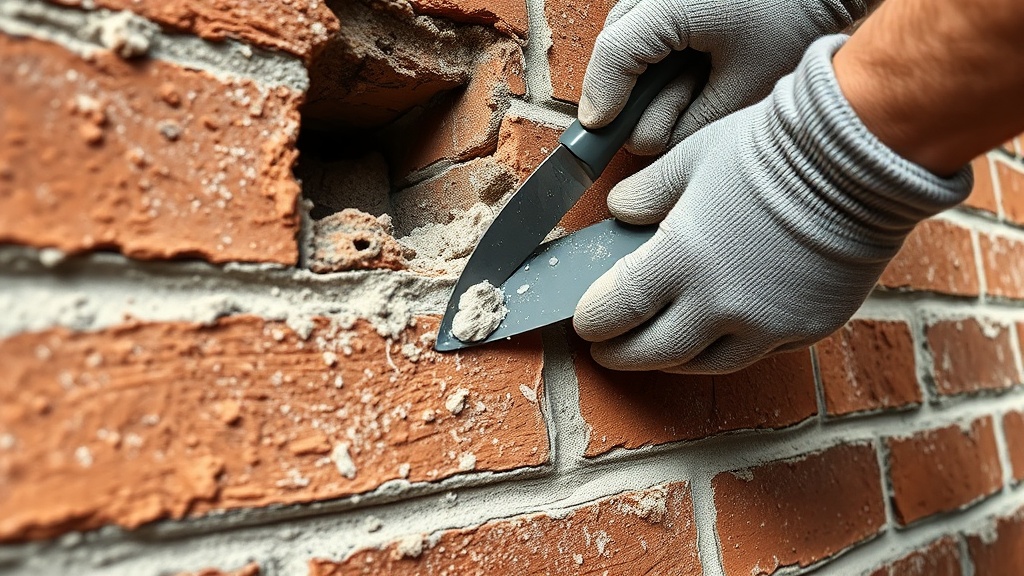
The owner of this 1939 brick bungalow in Central Des Plaines called us after noticing white staining along the front facade. Closer inspection confirmed the cause: mortar joints on the front and south side had receded 5/8 to 3/4 inch on most courses, and several joints near the foundation had failed entirely. Water was getting behind the face brick, pushing mineral salts to the surface as it dried - the white streaking known as efflorescence.
A neighbor’s contractor had previously used a pre-mixed Type S mortar on a similar bungalow on the same block. Within five years the brick on that house was spalling at the corners. We pointed that out to the homeowner so they understood why the mortar selection here was not interchangeable.
Our Solution
We ground out all deteriorated mortar to a minimum 3/4 inch depth on both the front facade and the south side wall - roughly 190 linear feet in total. Pre-war soft brick requires hand grinders with narrow diamond blades set to a controlled depth. A rotary saw on brick this age does visible damage to the face in one pass.
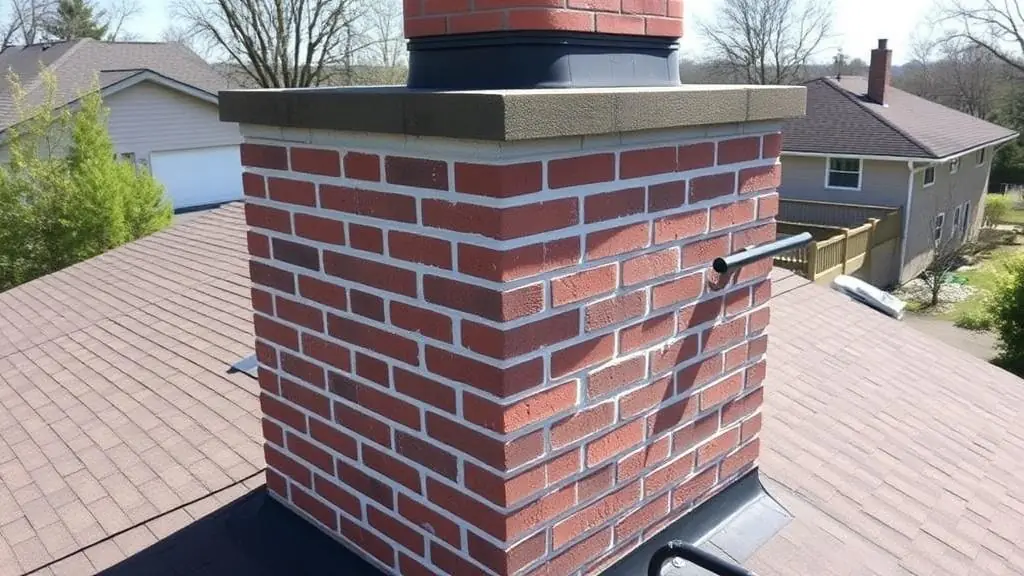
The replacement mortar was a Type O lime-rich blend, softer than the brick and matched to the original 1939 joint color. We sampled from a protected joint under the front porch soffit to establish the correct sand color and texture. Joints were packed in two lifts and tooled with a slightly concave jointer matching the original profile visible on sheltered sections of the north wall.
The foundation courses, which had lost mortar entirely in two spots, received an additional wash coat after the structural fill to seal the surface.
The Result
The efflorescence stopped within the first heavy rain cycle following completion - a sign that water is no longer infiltrating the wall cavity. The mortar color reads as a close match to the original joints in the protected areas under the porch. The homeowner noted the front of the house looked more like itself than it had in years.
We left a written record of the mortar formula used so any future repair can be matched exactly.