
Call Now Free Quote
(847) 713-1648 Get Free Estimate
Tuckpointing · Glencoe, IL

Full Facade Tuckpointing - 1928 Tudor Revival, East Glencoe Lakefront

May 1, 2024 | East Glencoe lakefront near Hawthorn Drive

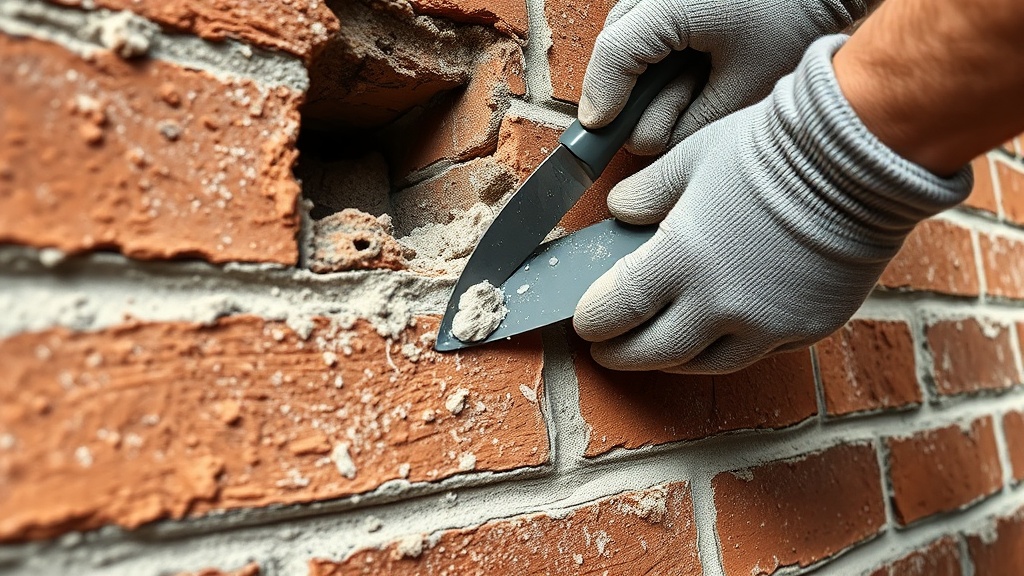
Tuckpointing in Glencoe, IL is the controlled removal of failing mortar to a 3/4 inch minimum depth and replacement with ASTM C270 Type N lime-blend (1:1:6 portland-lime-sand) mortar, restoring 25 to 50 years of weather resistance to 1928 Tudor Revival brick.

Before: Glencoe 1928 Tudor Revival completed work by Delta Masonry Before
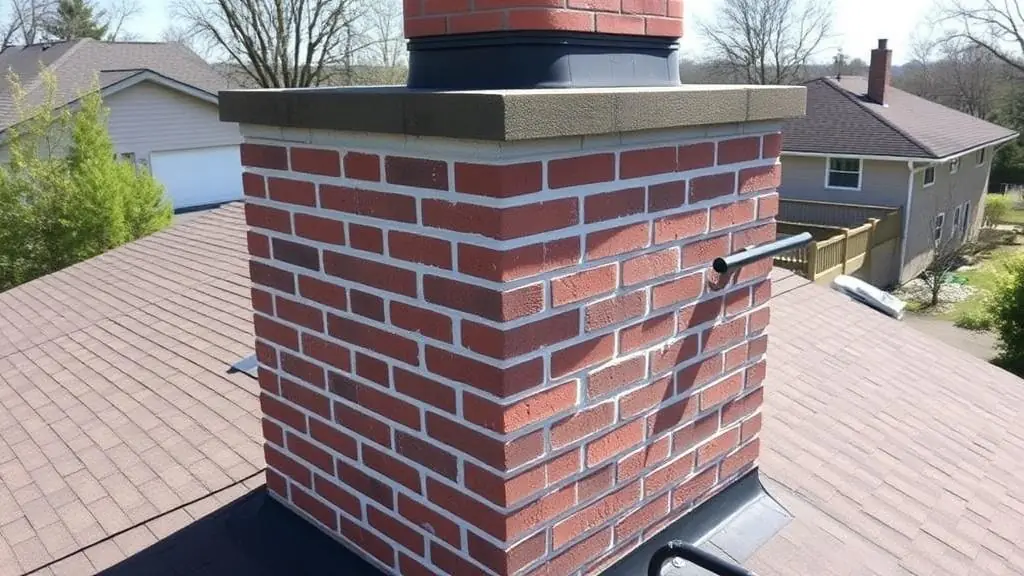
After: Glencoe 1928 Tudor Revival completed work by Delta Masonry After
Service Tuckpointing
Scope 260 linear feet of mortar joint restoration on a 1928 Tudor Revival estate in East Glencoe's lakefront corridor. Type N lime-blend mortar specified for the combination of soft common brick and clinker brick detailing typical of this era. Work followed post-storm assessment of ice and wind damage across the north and west elevations. Included repair of three displaced soldier course bricks above the main entry arch, and full repointing of the chimney crown base where ice had opened the mortar cap joint.
Mortar Type Type N lime-blend (1:1:6 portland-lime-sand)
Duration 10 days
Building 1928 Tudor Revival
Neighborhood East Glencoe lakefront
Common brick stock Mixed brick and natural stone construction
Weather exposure High
County Cook County
From our shop 14 miles

The Problem

A winter storm brought sustained northwest winds and heavy ice accumulation along the East Glencoe lakefront corridor in early 2024. The homeowners on this 1928 Tudor Revival contacted us after noticing joint loss on the north and west facades that they had not seen before the storm. Lakefront Tudor and French Eclectic estates in this area are among the most exposure-stressed masonry structures we encounter regularly - northwest fetch off Lake Michigan produces wind-driven rain and ice cycles that push into mortar joints already aged to varying degrees.

On arrival, we found mortar recession exceeding 3/4 inch across 60 percent of the north elevation and roughly 40 percent of the west. Three soldier course bricks above the main entry arch had shifted outward - a clear sign that ice had worked into the bed joint and expanded behind the brick units during the hard freeze. The chimney crown base joint was also open, with a visible gap wide enough to pass a wood shim.

The home had not been repointed in at least 20 years based on joint weathering patterns. The storm had accelerated what was already a progressing condition.

Our Solution

We prioritized the displaced soldier course bricks on day one. We removed each of the three units, cleaned the bed and head joint surfaces of loose mortar and debris with a wire brush and compressed air, and reset them in fresh Type N lime-blend mortar. Temporary hardwood wedges held the units plumb and aligned for a 48-hour cure before we removed the bracing and completed the surrounding joint work.

For the field mortar across the north and west elevations, we removed deteriorated material to a minimum 3/4 inch depth using 4-inch angle grinders with thin kerf diamond blades set to preserve the brick arris. In joints where ice had worked the recession past one inch, we hand-chiseled to clean substrate before packing.

The Type N mix was blended at 1:1:6 portland-lime-sand using a buff-tone sand matched to the original joint color visible in protected interior joints on the south porch. All joints packed in two lifts with a firm first lift before the finish course. Joint profile tooled to a slightly recessed beaded shape consistent with the Tudor Revival detailing on this home.

The chimney crown base joint was opened, cleaned, and repacked, then sealed at the crown perimeter with a Type N cap pointing.

The Result

At the completion of 10 working days, all 260 linear feet had been repointed and the three soldier course bricks reset and stable. The north and west elevations show consistent joint color and profile. The entry arch returned to its original alignment.

We provided the homeowners with a written post-storm assessment that documented the joint conditions before and after, which they retained for insurance purposes.

Questions About This Project

What specifically does ice damage do to mortar joints?

Water that enters a partially recessed joint freezes and expands by roughly 9 percent in volume. In a joint that already had 1/2 inch of recession, a single hard freeze can push that to 7/8 inch or more and crack the mortar that remained. Multiple freeze-thaw cycles across a winter accelerate this exponentially. On lakefront homes with northwest exposure, the problem compounds because wind-driven moisture saturates joints before temperatures drop.

The home has clinker brick detailing. Does that affect mortar selection?

Clinker brick is a vitrified, very hard product - almost the opposite of soft common brick. On this home, clinker bricks appear in the quoins and window surround detailing while common brick makes up the field. We used the same Type N lime-blend throughout but paid close attention to joint width at clinker locations, which run narrower due to the dimensional consistency of that material. Joint depth was confirmed by probe before mortar removal in those areas.

Were any bricks replaced, or just mortar?

Three soldier course bricks above the main entry arch had shifted outward by 3/8 inch due to ice uplift. We removed them, cleaned the bed joint surfaces, reset them in Type N mortar with temporary bracing held 48 hours, and then completed the surrounding joint work. No brick replacement was necessary - the units themselves were undamaged.

Project Location

Loading map - 1 project in this area

Need Similar Work? Let's Fix It Right.

Free on-site inspection and written estimate, no obligation. Serving the North Shore and Chicagoland for over 39 years.

(847) 713-1648 Request Online Estimate

Related Projects