
Call Now Free Quote
(847) 713-1648 Get Free Estimate
Chimney Repair - Mundelein, IL

Crown Failure and Stack Repointing - 1964 Brick Chimney

October 2, 2025 | East Mundelein residential area

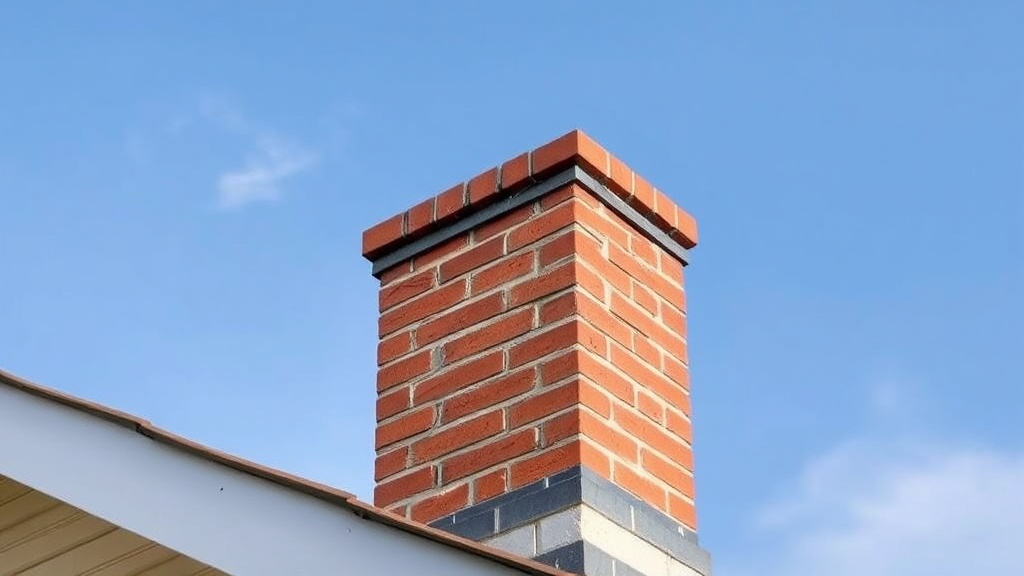
Before: Crown Failure and Stack Repointing - 1964 Brick Chimney Before
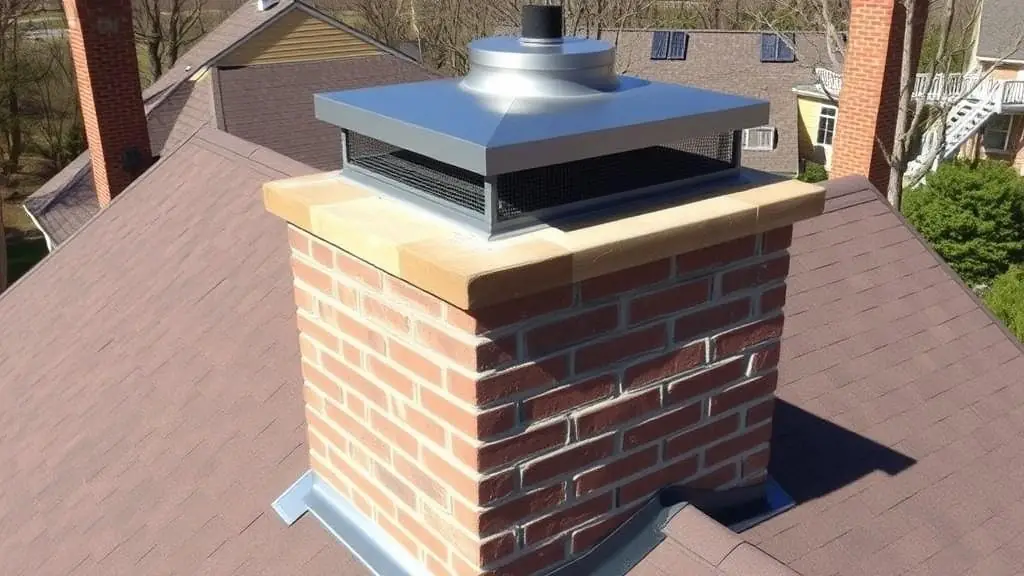
After: Crown Failure and Stack Repointing - 1964 Brick Chimney After
Location Mundelein, IL
Service Chimney Repair
Scope Crown demolition and replacement with fiber-reinforced sloped pour. Full repointing of all stack joints above roofline. Flue liner inspection. Flashing reseal at step and counter-flashing.
Mortar Type Type N
Duration 3 days
Building 1964 brick chimney with crown failure

The Problem

The owners of a 1964 ranch in East Mundelein called after noticing a musty smell near the fireplace after rain. On roof inspection, the chimney crown showed a full transverse crack running the width of the cap, and the south edge had partially separated from the brick face - a gap wide enough for direct water entry into the flue seat.

Stack joints above the roofline averaged 5/8-inch recess on the south and west faces. The original 1964 mortar, a gray Type N, had carbonated to the point of crumbling at the joint surface. Several joints near the top three courses had lost mortar entirely.

Debris at the firebox floor, combined with the crown failure, made a liner inspection necessary before other work could begin.

Our Solution

We demolished the failed crown in sections using hand chisels and a rotary hammer, working carefully at the crown-to-brick interface to protect the top course. The crown bed was cleaned and the uppermost joints raked and repacked before forming.

The replacement crown was poured in two lifts using a fiber-reinforced mix, formed with a 1/4-inch-per-foot outward slope and a 1.5-inch overhang past the brick face on all four sides. Once cured, we applied an elastomeric seal coat over the full crown surface and the top two brick courses to create a continuous water barrier at the most vulnerable transition.

Stack repointing used Type N mortar batched against a protected north-face joint below the roofline, where the original gray aggregate color had been least weathered. All joints above the roofline were ground to 3/4-inch depth, vacuumed, dampened, and packed in two lifts to a concave profile. Flue liner inspection from the cleanout access found no active cracking in the accessible clay tile sections. Flashing step joints were resealed with polyurethane.

The Result

The musty smell stopped after the first full wet season following the work. The replacement crown shows no cracking at 90 days. Stack joint recess is now uniform at finished concave depth. The homeowners have a written record of the liner inspection for future reference.

Related: Chimney Repair Services | Mundelein Service Area

Questions About This Project

The crown on our 1964 chimney looks solid from the ground but you said it needs replacement. How can you tell without a ladder?

Transverse cracking across a chimney crown is often not visible from ground level until the crack has widened to the point of obvious collapse. The more reliable indicator at ground level is staining patterns on the brick below the crown - white efflorescence or dark water tracks running down the stack from a consistent point usually indicate crown failure or crown-to-brick joint separation. A ladder inspection and close examination confirms the crown condition and rules out other sources.

What is the correct slope specification for a replacement chimney crown?

A properly formed chimney crown slopes at a minimum of 1/4 inch per foot away from the flue liner, with the crown edge extending past the face of the brick by at least 1.5 inches to direct water clear of the stack. On older chimneys where the original crown was poured flat or with insufficient overhang, replacement is an opportunity to build that geometry in correctly. The overhang and slope together are what make the crown durable rather than the crown material alone.

Should the flue liner be inspected when the crown is replaced?

Yes. Crown failure means water has been entering the flue. We inspect the accessible upper flue liner sections for spalling, crack propagation, or mortar joint failure inside the liner while the crown area is open. On a 1964 chimney the liner is typically clay tile, which is durable but can crack under thermal shock if it has been wet repeatedly. Finding a liner problem during a crown job is far less expensive than discovering it after the crown work is done.

Project Location

Loading map - 1 project in this area

Need Similar Work? Let's Fix It Right.

Free on-site inspection and written estimate - no obligation. Serving the North Shore and Chicagoland for over 39 years.

(847) 713-1648 Request Online Estimate