
Call Now Free Quote
(847) 713-1648 Get Free Estimate
Tuckpointing - Grayslake, IL

Full Facade Tuckpointing - 1948 Brick Bungalow

September 8, 2025 | Central Grayslake residential area

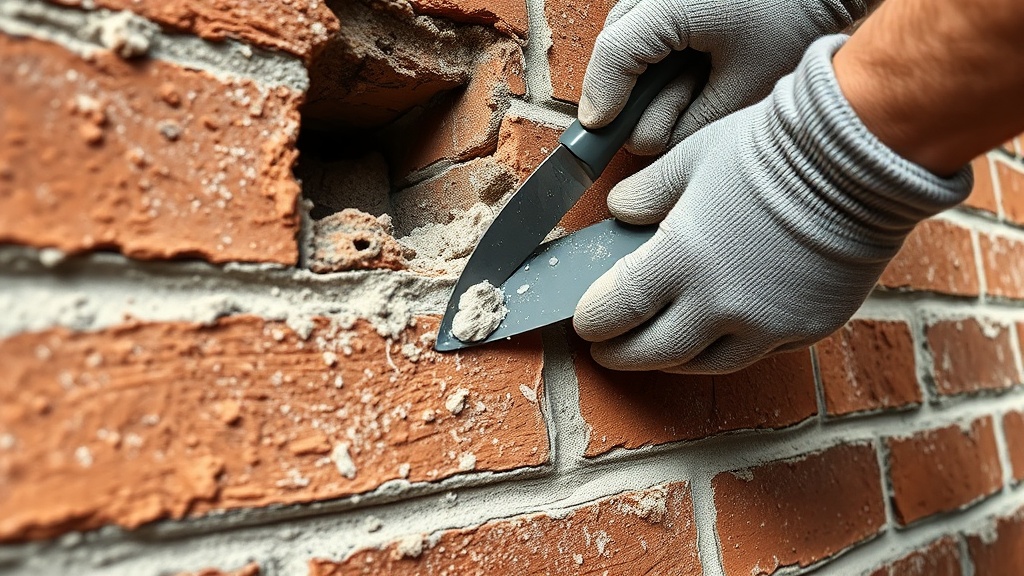
Before: Full Facade Tuckpointing - 1948 Brick Bungalow Before
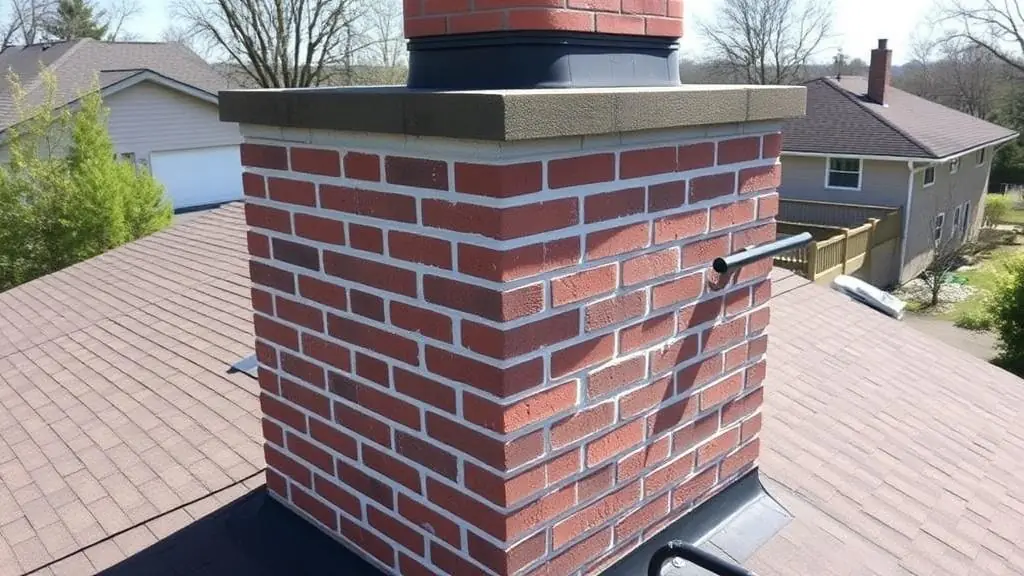
After: Full Facade Tuckpointing - 1948 Brick Bungalow After
Location Grayslake, IL
Service Tuckpointing
Scope Full four-elevation tuckpointing on 1948 brick bungalow. Approximately 210 linear feet repointed. Soldier course joints and window sill joints included.
Mortar Type Type N lime-blend
Duration 4 days
Building 1948 brick bungalow

The Problem

The owner of a 1948 brick bungalow in Central Grayslake noticed several mortar joints along the north elevation were hollow when tapped. The north and west faces showed the most visible deterioration - joints recessed 3/8 to 5/8 inch depending on the course, with open voids near the foundation line where mortar had fallen out entirely.

The original face brick is a warm buff typical of late-1940s Lake County residential construction. It is soft by modern standards and needs compatible mortar. A roofing contractor working on the home two years prior had caulked two open joints along the north parapet. One side had already separated and the other was cracked - neither addressed the underlying joint loss.

The south and east elevations were approaching the 1/4-inch recess threshold across multiple courses, making all four elevations worth addressing in one mobilization.

Our Solution

We raked all four elevations to 3/4-inch depth with depth-limited diamond blades. On the soldier courses below the window openings, we switched to a narrower blade and hand tools at the brick edges to avoid chipping the vertical faces. The caulked parapet joints were cleared entirely and treated as new open joints.

The replacement mortar was a Type N lime-blend matched to the original composition. We sampled from beneath the south windowsill overhang, where the original mortar had retained its color and aggregate structure, and used natural buff sand to match the warm joint tone. A test section on the south elevation cured 48 hours before we committed to the full job.

Each joint was moistened, packed in two lifts, and tooled concave to match the surviving original joints in sheltered areas. The parapet joints received a final check for full back-of-joint contact, where open voids carry the highest risk.

The Result

All four elevations show uniform concave joint depth. Mortar color matches the original buff tone in sheltered areas, and the brick reads consistently across all elevations rather than showing a patchwork of eras. The hollow north joints are now solid, and the caulked parapet is correctly mortared.

Related: Tuckpointing Services | Grayslake Service Area

Questions About This Project

Why is a lime-blend mortar recommended over standard Type N for a 1948 bungalow?

Bungalows from the late 1940s used a relatively soft common brick that was fired at lower temperatures than modern brick. The mortar from that era typically had a higher lime content than modern bagged mixes, which made it flexible enough to accommodate seasonal brick movement without cracking. Introducing a harder, higher-Portland mortar into those joints creates a strength mismatch that forces stress into the brick face rather than the joint. A lime-rich Type N blend is softer and moves with the brick the way the original did.

The bungalow has a decorative soldier course under the windows. Does that require different handling?

Soldier courses, where bricks are laid vertically on their narrow edge, expose the head joints to direct water impact rather than rain washing past horizontally. Those joints deteriorate faster than standard bed joints and need the same depth of preparation - raked to 3/4 inch, packed in two lifts - but careful tooling to avoid cracking the thin head joint at the soldier brick edge. We use a narrower jointing tool on soldier courses to get full coverage without putting pressure on the brick edge.

How long does tuckpointing on a bungalow of this age last before it needs to be done again?

A proper tuckpointing job using the correct mortar composition on a 1948 bungalow typically holds 25 to 35 years under normal Midwest exposure before the joints reach the deterioration threshold again. The variables are how much north and west exposure the home has, whether downspouts and gutters keep water from running directly across the wall face, and whether the mortar composition is correctly matched. A harder-than-appropriate mortar will crack and need attention in half that time.

Project Location

Loading map - 1 project in this area

Need Similar Work? Let's Fix It Right.

Free on-site inspection and written estimate - no obligation. Serving the North Shore and Chicagoland for over 39 years.

(847) 713-1648 Request Online Estimate